When you think of luxury, few names carry the weight of prestige and excellence like Hermès. Known for its commitment to quality, craftsmanship, and timeless elegance, the French brand has solidified itself as a leader in the world of haute couture, leather goods, and accessories. The term “God Factory Hermes”, while not an official label used by the brand, evokes a fascinating vision of Hermès as a place where divine craftsmanship meets unparalleled luxury. It conjures an image of a creative sanctuary where artisans craft pieces that transcend mere fashion — they are masterpieces of art.
Let’s explore what “God Factory Hermes” might mean, and how it encapsulates the essence of Hermès — a brand where craftsmanship is almost divine, and every creation is a symbol of absolute luxury and timeless appeal.
1. What Does “God Factory Hermes” Mean?
The term “God Factory Hermes” is a creative expression that blends two powerful words: “God” and “Factory”. On one hand, “God” represents divine perfection, excellence, and timelessness. On the other hand, “Factory” suggests a space of meticulous production and skilled craftsmanship. Together, they paint a picture of a place where beauty is created with celestial precision and care.
In the context of Hermès, “God Factory” symbolizes the brand’s devotion to unparalleled craftsmanship — a process so fine-tuned and precise, it could almost be described as divine. Whether it’s a Birkin bag, a Kelly bag, or one of their iconic scarves, each piece is crafted with such attention to detail and quality that it feels like a piece of heaven on earth.
This idea resonates deeply with Hermès’ reputation for timeless quality. The brand does not mass-produce its goods; instead, it focuses on creating items that can last a lifetime, if not longer, passed down through generations like heirlooms. Each creation from Hermès is not just made, but born — perfected in a way that transcends the typical notion of a factory product.
2. Hermès: The Art of Craftsmanship and Luxury
Founded in 1837 by Thierry Hermès as a harness workshop in Paris, the brand has long been associated with meticulous craftsmanship and unparalleled luxury. Over the years, Hermès evolved into a symbol of sophistication, known for its leather goods, ready-to-wear, home decor, and of course, its legendary accessories. The brand has made a name for itself by blending tradition with innovation, creating luxury goods that are both timeless and cutting-edge.
What truly sets Hermès apart is its commitment to handcraftsmanship. While many luxury brands may outsource their production, Hermès prides itself on having its pieces handcrafted by artisans in its workshops — each item undergoing a rigorous process of creation, refinement, and inspection. This level of care and precision is what makes Hermès products so special.
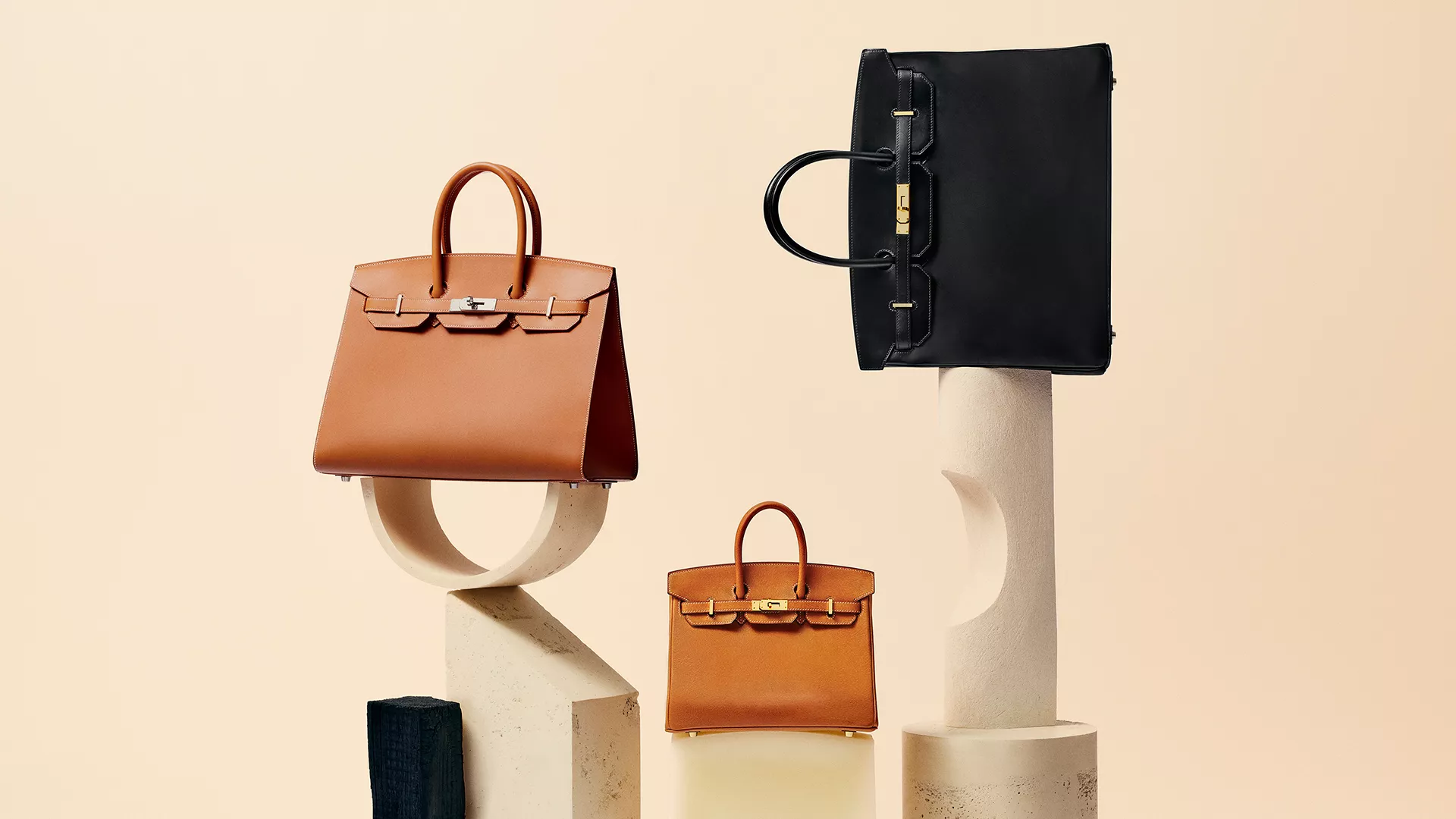
Take the Birkin bag, for example, which is known for its exquisite craftsmanship. It takes several days — sometimes up to 48 hours — for a single craftsman to create a Birkin, using the finest leathers and materials available. From stitching to finishing, each detail is attended to with exceptional precision, resulting in a bag that is not only a status symbol but a work of art.
This devotion to perfection is where the notion of a “God Factory” really comes into play. Every Hermès item is a testament to the skills and dedication of artisans who, much like divine creators, elevate craftsmanship to an almost spiritual level.
3. The Iconic Products: Divine Creations of a “God Factory”
When we think of Hermès, several iconic products come to mind — each one representing the brand’s commitment to luxury, craftsmanship, and timeless design. These products embody the essence of “God Factory Hermes”, as they are created with the highest level of skill and attention to detail.
The Birkin Bag: Perhaps the most famous luxury bag in the world, the Birkin bag is a symbol of status, elegance, and exclusivity. It is made with supreme quality leathers, from Togo to Epsom, and features handcrafting techniques that have been passed down through generations of Hermès artisans. Every Birkin is created by a single artisan, ensuring that it is a true work of craftsmanship and not mass-produced. This level of individual attention is what makes each bag feel like a divine creation — unique and perfect in every way.
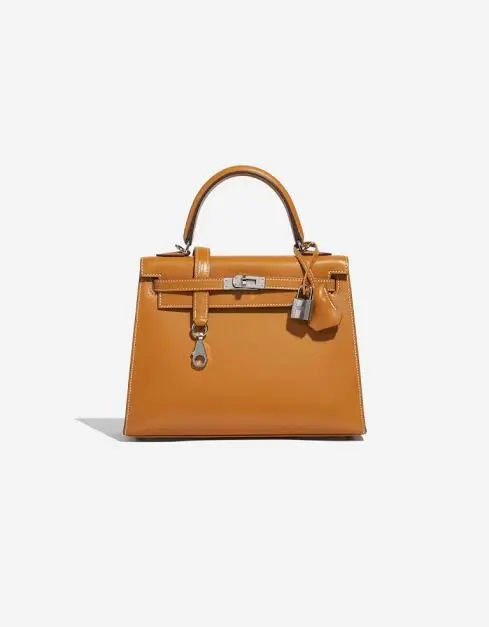
The Kelly Bag: Named after the iconic actress Grace Kelly, the Kelly bag is another symbol of Hermès’ dedication to luxury. Crafted with the same precision and care as the Birkin, the Kelly is a more structured, elegant design that exudes grace and sophistication. The meticulous process of stitching, finishing, and detailing is what elevates the Kelly bag to the realm of divine artistry.
The Hermès Scarf: Known for their vibrant designs and luxurious silk, Hermès scarves are another example of the brand’s craftsmanship. Each scarf is a canvas, hand-printed with intricate designs that often tell stories or showcase works of art. The silk used is of the highest quality, and the printing process is done with an attention to detail that ensures each scarf is a masterpiece in its own right.
The Rodeo Charm: A small but highly coveted accessory, the Rodeo charm is a playful yet luxurious addition to any Hermès collection. Handmade in the brand’s workshops, these leather charms reflect the same level of precision and care as their larger leather goods. Each charm is a miniature work of art, crafted to perfection.
These products, and many others in the Hermès collection, embody the idea of a “God Factory” — a place where divine perfection is achieved through craftsmanship, artistry, and a relentless pursuit of excellence.
4. The Spirituality of Hermès: Crafting Timeless Luxury
At the heart of “God Factory Hermes” is not just the physical act of craftsmanship but the philosophy behind it. Hermès has long maintained that luxury is not about conspicuous consumption but rather about creating products that are timeless and built to last. The brand believes that true luxury lies in craftsmanship and the art of creating something that endures, transcending the whims of trends.
In a world that increasingly prioritizes speed and mass production, Hermès remains dedicated to its values of quality, care, and attention to detail. This slow, deliberate process is almost spiritual in nature, as each item is treated with the utmost respect and reverence. The artisans who work at Hermès don’t just create products; they create art that will endure for generations.
“God Factory Hermes” represents the idea that Hermès isn’t just about making luxury goods — it’s about making something so exquisite that it becomes an heirloom, passed down through time, cherished by future generations.
5. Looking Ahead: The Future of Hermès as a “God Factory”
As we look to the future, Hermès remains at the forefront of luxury and craftsmanship. The brand continues to innovate while staying true to its heritage. In an era of increasing concern for sustainability, Hermès is taking steps to incorporate ethical practices in its production processes, ensuring that its goods not only endure in terms of quality but also in terms of environmental responsibility.
Furthermore, the brand is embracing digital technology, allowing a new generation of luxury consumers to engage with its products in innovative ways. Despite these modern advancements, the essence of “God Factory Hermes” remains unchanged: a commitment to timeless, divine craftsmanship.
Conclusion
The term “God Factory Hermes” perfectly encapsulates what makes Hermès so special — a brand that treats luxury craftsmanship with the reverence and care of a divine creator. Each piece is an artistic creation, made with the highest level of skill and precision, ensuring it transcends time and becomes a part of the wearer’s legacy. Hermès is not just a brand; it’s a symbol of what true luxury should be: timeless, flawless, and above all, crafted to perfection. Whether it’s a Birkin, a Kelly, or a silk scarf, Hermès continues to define what it means to create beauty, making every item a true masterpiece from the “God Factory.”