Prada, one of the most iconic luxury fashion houses in the world, is not just a brand—it is an institution of creativity, intellectualism, and innovation. Under the visionary leadership of Miuccia Prada, the brand has transcended the conventional boundaries of fashion, becoming a cultural and artistic force. The concept of a “God Factory”—a place where the divine, the extraordinary, and the transformative are created—seems a fitting metaphor for Prada’s design philosophy. In this blog, we will explore how Prada functions as a “God Factory,” where fashion is not merely produced but reimagined, elevated, and transformed into an intellectual and artistic experience.
1. The “God Factory” Concept: A Space of Divine Creation
The term “God Factory” evokes images of a place where extraordinary things are made—where raw materials are shaped into objects of beauty and power. In the context of fashion, this refers to a creative space where designers, artisans, and visionaries create something that transcends the ordinary. It is a space where not just clothes, but ideas and culture are born.
Prada’s ateliers in Milan function as this kind of “God Factory.” From the selection of fabrics to the final stitch, every aspect of a Prada collection is an act of creation—one that seeks to transform the mundane into something divine. Miuccia Prada, who has a PhD in political science, brings an intellectual rigor to her designs, ensuring that each collection is not just about aesthetics but also about making a cultural statement. Her ability to elevate fashion to the level of art is what makes Prada a true “God Factory” in the fashion world.
2. Intellectual Innovation: Fashion with a Purpose
Unlike many brands that focus solely on trends, Prada’s creative approach is driven by intellectual curiosity and cultural exploration. Miuccia Prada does not design simply to create beautiful clothes; she designs to challenge societal norms, question established ideas, and spark conversations. In this sense, Prada’s design process can be likened to a divine act of creation—a process of shaping the world through ideas and visual language.
For example, Prada’s Fall/Winter 2020 collection was a commentary on the role of technology in our lives. The show featured a mix of futuristic materials, such as metallics and plastic, alongside more traditional fabrics, reflecting the tension between the digital and the physical worlds. This thoughtful blending of the old and the new is a hallmark of Prada’s ability to create fashion that engages with the world beyond the runway.
The intellectual foundation behind Prada’s creations makes it a “God Factory” because it’s not just producing fashion; it’s producing narratives, perspectives, and philosophies that resonate far beyond the runway. Each collection is a visual essay, exploring issues like feminism, politics, identity, and technology.
3. A Divine Blend of High and Low Culture
One of Prada’s most distinctive qualities is its ability to fuse high fashion with elements of street culture, making luxury accessible, relevant, and reflective of contemporary life. Prada’s ability to blend high and low culture in unexpected ways creates a divine tension—where fashion transcends class and culture and becomes a reflection of the modern world.
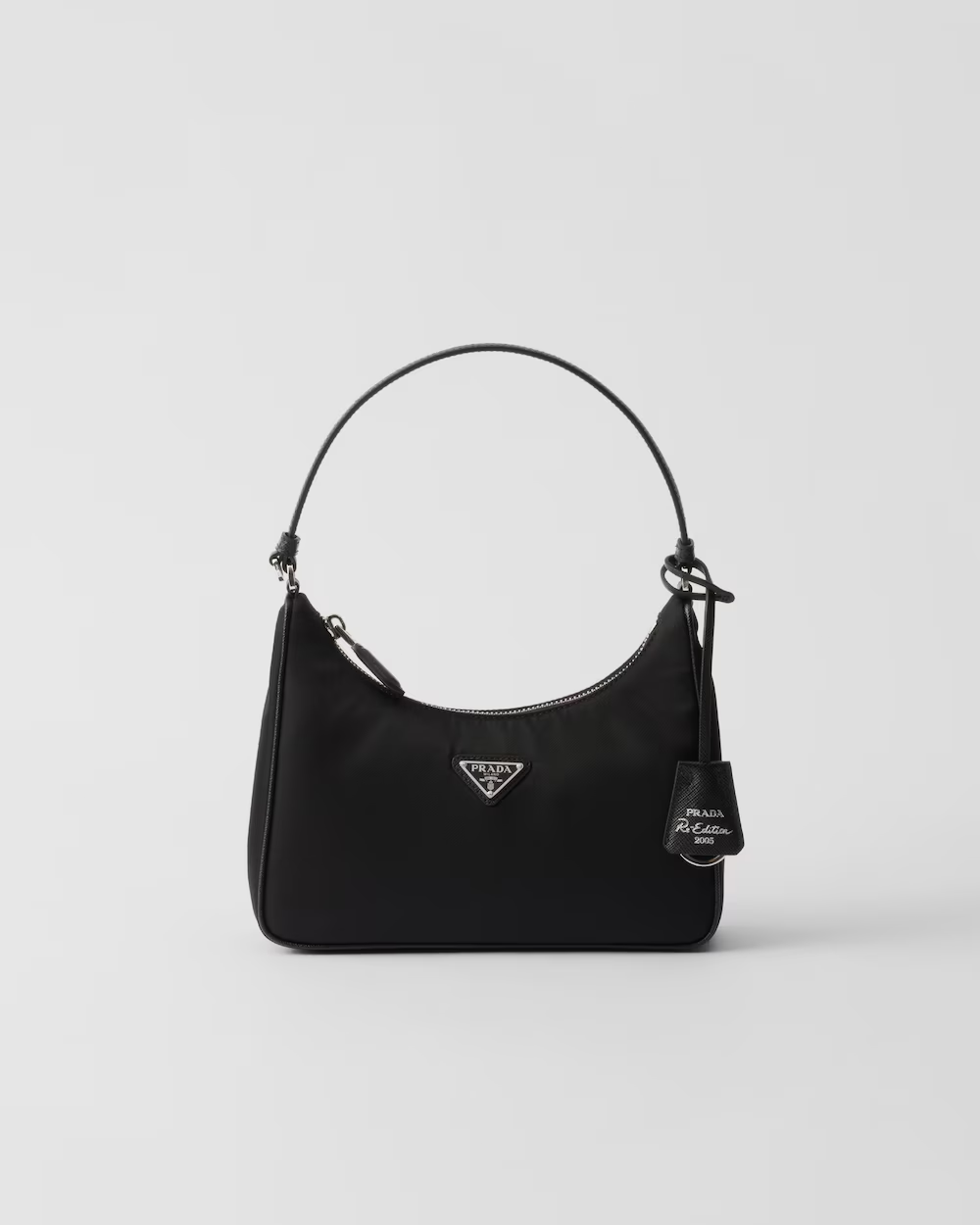
This blending of worlds can be seen in Prada’s use of everyday materials such as nylon, which was originally associated with utility and function but was redefined by Prada as a luxury fabric. The introduction of nylon bags in the 1980s revolutionized the fashion industry, challenging the norms of luxury and setting a new standard for what could be considered high fashion.
Similarly, Prada’s collaborations with brands like Adidas and its embrace of streetwear culture represent a divine fusion of opposites: luxury meets utility, tradition meets modernity, and exclusivity meets accessibility. This approach allows Prada to create pieces that resonate with a diverse audience while maintaining its position as a leader in the luxury fashion space. Prada’s ability to elevate the everyday to the divine is what makes it a “God Factory” of fashion.
4. Fashion as Art: Prada’s Theatrical and Conceptual Vision
At Prada, fashion is not just about dressing the body; it’s about creating a narrative, evoking emotion, and stimulating thought. Miuccia Prada has long been committed to transforming fashion into art, and this commitment is reflected in the brand’s runway shows, where each collection is presented as a visual and intellectual performance.
The fashion shows are more than just opportunities to showcase the latest designs; they are immersive experiences, where each garment tells a story and challenges the viewer to consider new perspectives. Prada’s Spring/Summer 2017 collection, for example, was a masterclass in surrealism, blending whimsical elements like 3D-printed accessories and bold graphics with the sleek, structured silhouettes the brand is known for. The result was a collection that not only offered new forms and shapes but also raised questions about consumerism, identity, and the intersection of fashion and art.
Prada’s approach to fashion as art—creating designs that are both beautiful and thought-provoking—positions the brand as a “God Factory” in the true sense of the word. Each collection is not just a product of craftsmanship; it is a work of cultural commentary and artistic creation.
5. Sustainability: Divine Responsibility for the Future
As the fashion industry faces increasing pressure to address its environmental impact, Prada has stepped up to the challenge by integrating sustainability into its creative process. The brand’s Re-Nylon initiative, which involves using regenerated nylon made from recycled plastic waste, is a significant step towards creating fashion that is not only beautiful and innovative but also responsible.
Prada’s commitment to sustainability is an important aspect of its role as a “God Factory.” Just as a divine creator must consider the consequences of their actions, Prada’s decision to adopt more sustainable practices shows a forward-thinking approach to fashion, one that takes responsibility for its impact on the planet. The future of fashion is not just about creativity but also about creating in a way that respects the environment and future generations.
This focus on sustainability adds another layer to Prada’s divine creation process—ensuring that the fashion it produces is not only innovative and beautiful but also aligned with the ethical and environmental needs of the modern world.
6. Prada’s Influence: Shaping the Future of Fashion
Prada’s position as a “God Factory” is not just about its creative process; it is also about its influence on the broader fashion industry and culture. The brand has consistently pushed the boundaries of what fashion can be, inspiring other designers and fashion houses to think more critically about the role of fashion in society. Prada has shown that fashion can be both an art form and a cultural statement, and this has reshaped the way the fashion industry views itself.
By continually questioning the norms of luxury fashion, Prada has redefined what it means to be both innovative and luxurious. Its ability to merge intellectual rigor with artistic creativity has made Prada a model for a new kind of fashion, one that is less about superficial beauty and more about creating lasting, meaningful contributions to culture and society.
Conclusion: Prada as the Ultimate “God Factory”
Prada’s status as a “God Factory” is rooted in its relentless pursuit of innovation, intellectual engagement, and artistic creation. It is a brand that continually redefines the boundaries of fashion, making it more than just a business or a product—it is a cultural institution. Prada’s ability to combine high and low culture, transform materials, and create fashion that is both thought-provoking and beautiful elevates it to a divine status in the fashion world.
In Prada’s ateliers, every design is an act of creation, a manifestation of ideas, emotions, and philosophies that speak to the world beyond fashion. Prada is not just producing clothes; it is creating divine objects that shape culture and redefine the future of fashion. As the brand continues to evolve, it will remain a guiding force in the industry—a “God Factory” where innovation, art, and sustainability converge to create the future of fashion.