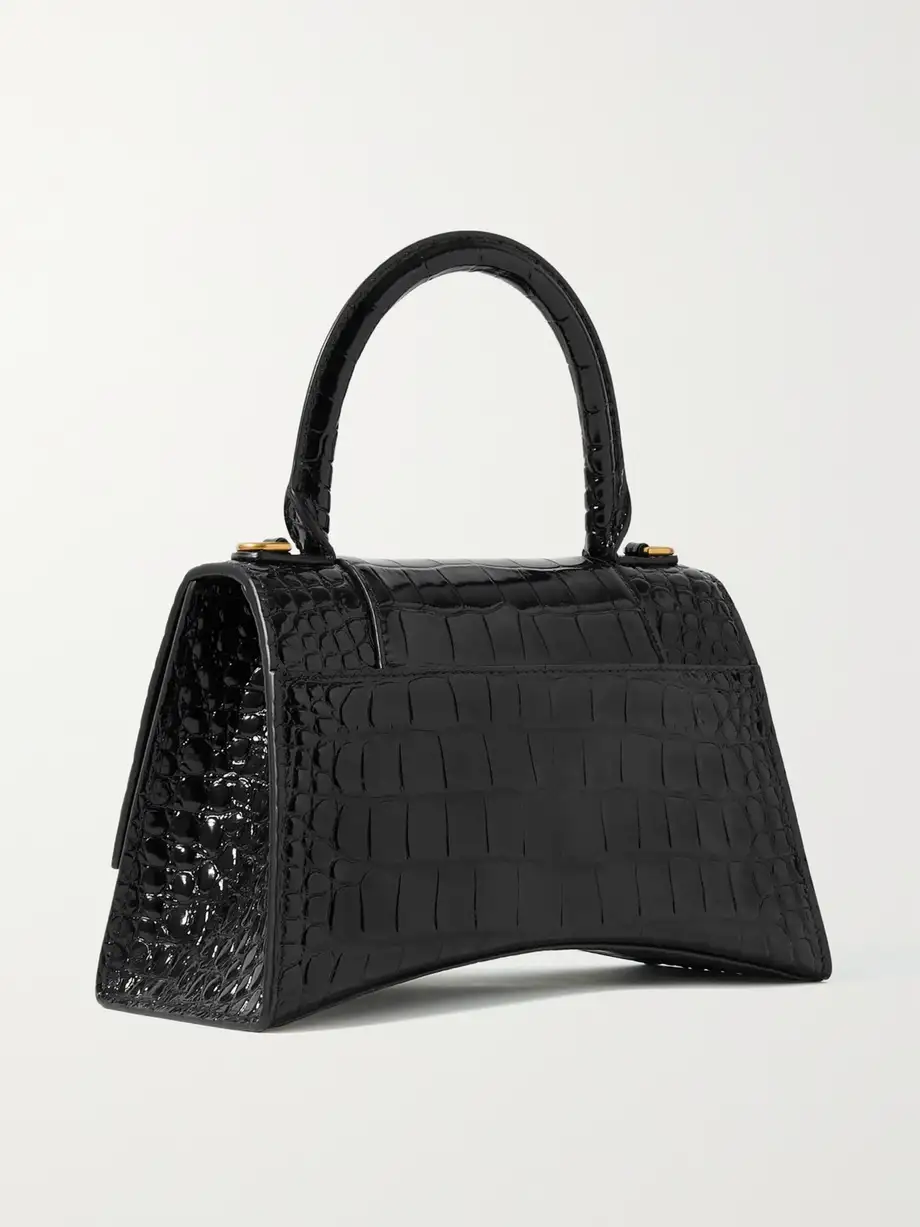
Balenciaga, one of the most influential and disruptive fashion houses of the 21st century, has consistently pushed the boundaries of creativity, redefining the way we think about style, identity, and luxury. When we introduce the concept of a “God Factory” into the conversation, the phrase takes on a deeper and more provocative meaning. A “God Factory” is a space where something divine is created—where raw materials are transformed into transcendent works of art. For Balenciaga, this metaphor is strikingly appropriate. The brand, under the visionary direction of Demna Gvasalia, has become a “factory” of avant-garde design, producing collections that challenge convention and reshape the fashion world.
In this blog, we will explore how the “God Factory” concept aligns with Balenciaga’s creative process, its bold approach to fashion, and its status as a cultural and artistic powerhouse.
1. Balenciaga’s Radical Innovation: The Birth of New Fashion Realities
Balenciaga’s founder, Cristóbal Balenciaga, is often regarded as one of the greatest couturiers in history, with a legacy rooted in architectural precision, elegant tailoring, and an ability to manipulate fabric in ways that were previously unimaginable. His creations were transformative, elevating women’s fashion to new heights of sophistication and technical prowess. Fast forward to today, and under the guidance of Demna Gvasalia, Balenciaga has maintained that pioneering spirit, but with an even more radical and subversive edge.
When we think of a “God Factory,” we think of a space where something powerful, almost otherworldly, is created—something that has the potential to shape culture and change perceptions. Balenciaga’s impact on the fashion industry fits this description perfectly. Demna, who has been with the brand since 2015, is known for his ability to disrupt traditional fashion norms. He has turned the fashion world on its head with collections that blur the lines between high fashion, streetwear, and dystopian aesthetics.
The fashion house’s ability to consistently create “new worlds” with each collection, using innovative materials and groundbreaking silhouettes, mirrors the process of divine creation. Through his vision, Demna Gvasalia has established Balenciaga as a “factory” where fashion is continually redefined—a place where traditional ideals are dismantled and rebuilt with a contemporary, often irreverent, twist.
2. Balenciaga’s “God Factory”: Where the Divine Meets the Disruptive
The concept of a “God Factory” is traditionally linked to the idea of divinity and craftsmanship, a place where creation is revered and worshipped. However, in the context of Balenciaga, it also implies a space where the boundaries of fashion and art are blurred. Balenciaga’s approach to design is not just about creating clothes but about crafting a narrative. The clothes themselves become part of a larger conversation about identity, society, and the future of fashion.
Demna Gvasalia’s vision for Balenciaga is one that disrupts conventional expectations. From oversized silhouettes to collaborations with unexpected brands like Adidas and the controversial use of logos, Balenciaga has managed to remain both a luxury brand and a voice of rebellion. Demna has taken fashion from a traditional atelier experience and transformed it into an experimental factory, where the “rules” of luxury are no longer relevant. This is where the “God Factory” concept feels particularly poignant: Balenciaga is not simply making clothes but rather creating a space where new realities are formed, questioned, and deconstructed.
In Balenciaga’s “factory,” there is an almost divine ability to challenge the very essence of what fashion can be, leaving a lasting impact on the industry and pushing other brands to reevaluate their approach.
3. The Divine Aesthetic of Balenciaga: A Marriage of High and Low Culture
One of the most intriguing aspects of Balenciaga’s recent collections is its ability to blend “high fashion” with “low culture.” The brand’s work often draws inspiration from the street, from internet culture, and from the dystopian visions of the modern world. Hoodies, sneakers, and baggy pants are elevated to the level of haute couture, and this fusion of high and low culture feels almost divine in its audacity.
Demna’s Balenciaga embraces the idea of fashion as a mirror of contemporary society. The brand’s collaborations with fast-fashion giant H&M, and its unorthodox runway shows featuring models in “ugly” or “offbeat” clothing, speak to a new reality in which fashion is less about exclusivity and more about social commentary. In this “God Factory,” fashion is no longer about dressing to impress or conforming to established norms; it is about embracing a new, chaotic world where beauty, power, and identity are constantly shifting.
Through this, Balenciaga echoes the idea of “creation” from a more philosophical perspective. Fashion is no longer something that simply exists to be admired. It is an active agent in shaping culture, and in this sense, Balenciaga’s “factory” is divine—not because it produces “perfect” beauty, but because it reflects the complex, multifaceted nature of modern life.
4. The Factory of the Future: Technology, Innovation, and Fashion
Balenciaga’s engagement with technology and innovation adds another layer to the idea of a “God Factory.” The brand has not shied away from using cutting-edge technology in its designs, marketing, and retail experiences. From virtual fashion shows streamed online during the COVID-19 pandemic to creating digital fashion NFTs, Balenciaga is positioning itself as a brand of the future—one that is not only ahead of its time but actively creating the future of fashion.
In recent collections, Balenciaga has integrated futuristic aesthetics, referencing the cyberpunk and dystopian genres that dominate much of today’s cultural imagination. The use of digital media, combined with futuristic clothing designs, creates an experience that feels almost otherworldly. The combination of fashion and technology is another dimension of the “God Factory,” where divine innovation happens in a space where physical and digital realms converge.
The factory of the future is not just one that creates products; it is one that creates new forms of existence. Balenciaga’s commitment to embracing technological advancements in fashion shows how the brand is operating at the intersection of reality and fantasy, and in doing so, it is redefining what it means to create in the modern world.
5. Balenciaga as a Cultural Powerhouse: More Than Just Fashion
At its core, Balenciaga is not just a fashion house; it is a cultural powerhouse. The brand shapes conversations, challenges norms, and introduces new ideals. This transformative power is what makes it so relevant in the modern era. Whether through the controversial use of logos or its partnerships with artists like Kanye West, Balenciaga has become a symbol of cultural relevance, similar to how certain gods or deities symbolize broader cultural movements and shifts.
Balenciaga’s influence extends beyond clothing—it has become a representation of rebellion, innovation, and fearlessness. The brand’s ability to stay at the cutting edge of fashion while still maintaining its legacy of craftsmanship and design speaks to its ability to balance both the divine and the disruptive.
Conclusion: The God Factory of Balenciaga
Balenciaga’s continued rise as a dominant force in fashion speaks to its role as a “God Factory” in the world of luxury and culture. The brand’s dedication to innovation, its ability to challenge the status quo, and its visionary approach to blending high and low culture all contribute to its nearly divine status in the industry. Under Demna Gvasalia’s direction, Balenciaga has become more than just a label; it is a creator of new realities—challenging perceptions of beauty, art, and identity.
In the “God Factory” of Balenciaga, the divine act of creation is one that transforms fashion from a superficial pursuit into a cultural movement, shaping the future of the industry and influencing how we experience style, luxury, and art in the modern world.