In the ever-evolving world of luxury fashion, where creativity knows no bounds, Fendi introduces us to a fascinating concept: the “God Factory.” This term might sound grandiose, but it’s a fitting metaphor for Fendi’s approach to craftsmanship, innovation, and design. Here, we delve into what the “God Factory” signifies for Fendi and how it shapes the brand’s narrative and products.
The Genesis of the “God Factory”
The “God Factory” isn’t just a catchy phrase; it encapsulates Fendi’s philosophy of pushing boundaries through their ateliers in Rome. This is where the magic happens – where leather, fabric, and creativity are transformed into masterpieces that defy time. The factory, or more poetically, the birthplace of gods in fashion, symbolizes not just production but the birth of ideas, trends, and legacies.
Craftsmanship as Divinity
At the heart of Fendi’s “God Factory” is an unparalleled commitment to craftsmanship. Each piece that comes out of their workshops is treated with a reverence akin to divine creation. The artisans, much like high priests, are the guardians of techniques passed down through generations, ensuring every bag, scarf, or outfit is not just made but crafted with a soul.
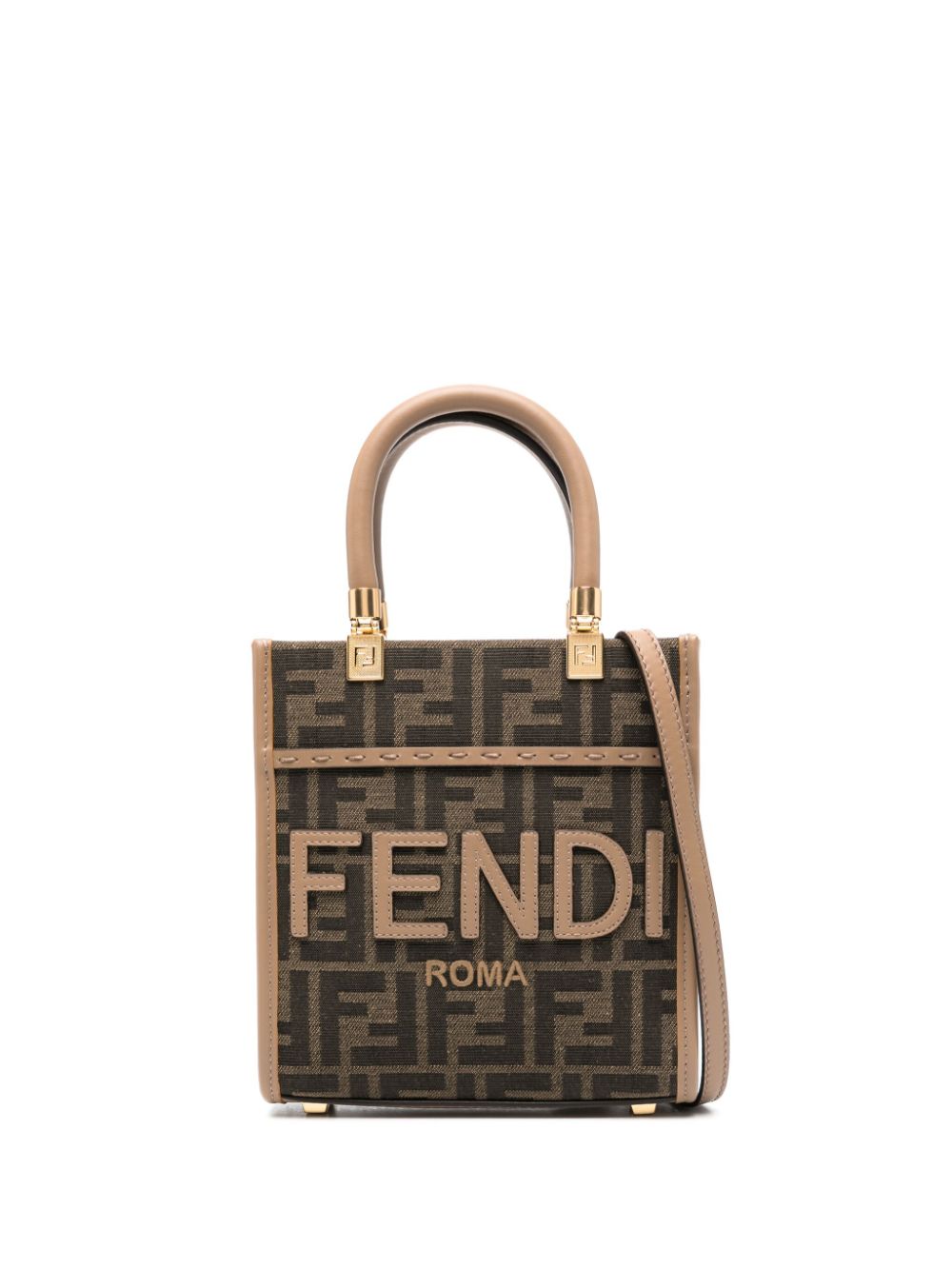
Leather Goods: Fendi’s leather work is legendary, with the iconic Baguette and Peekaboo bags being prime examples. The meticulous attention to detail, from the choice of hides to the precision of stitching, mirrors the meticulousness one would associate with divine craftsmanship.
Innovative Materials: Fendi has always been at the forefront of using innovative materials, which can be seen as alchemy in fashion. Techniques like the FF logo on fabric or the use of sustainable materials show how Fendi redefines luxury.
Innovation as a Divine Gift
Fendi’s “God Factory” is also a hub for innovation, where new technologies meet traditional methods to create something extraordinary. Here, innovation isn’t just about the new; it’s about redefining what luxury can be.
Fashion Shows: Fendi’s runway shows often incorporate elements that blend art, technology, and fashion, creating immersive experiences that are more than just displays of clothing; they are narratives.
Collaborations: Collaborations with artists, designers, and even architects bring fresh perspectives into the “God Factory,” pushing the boundaries of what fashion can achieve. The collaboration with artist Jeff Koons or architect Tadao Ando are perfect examples of how Fendi uses external creativity to enrich its own.
The Cultural Impact
The “God Factory” also speaks to Fendi’s cultural impact. By creating fashion that resonates with art, architecture, and history, Fendi doesn’t just dress people; it participates in cultural conversations:
Art Installations: Fendi often transforms spaces into art installations, merging fashion with visual arts, thereby expanding the dialogue between different cultural sectors.
Heritage and Modernity: Fendi respects its heritage while constantly evolving, much like a divine entity would be eternal yet ever-changing, influencing culture across generations.
Conclusion
The “God Factory” by Fendi is more than a production line; it’s a metaphor for creativity, legacy, and the divine in craftsmanship. It’s where luxury fashion transcends mere utility or aesthetics to become a part of cultural heritage and innovation. As we look at Fendi’s creations, we’re not just seeing clothes or accessories; we’re witnessing the work of modern-day artisans in their sacred space, crafting items with the precision and care of gods.
In this light, Fendi doesn’t just make fashion; they are crafting legacies, piece by piece, in their divine factory.