In the realm of luxury fashion, few concepts are as intriguing or as telling as the “God Factory” when associated with a brand like Loewe. This term, often whispered among aficionados and fashion insiders, encapsulates the essence of Loewe’s unparalleled craftsmanship, innovative spirit, and its almost mythical status in the world of leather goods and high fashion. Here’s a dive into how the “God Factory” has become synonymous with Loewe’s identity.
The Birth of a Legend
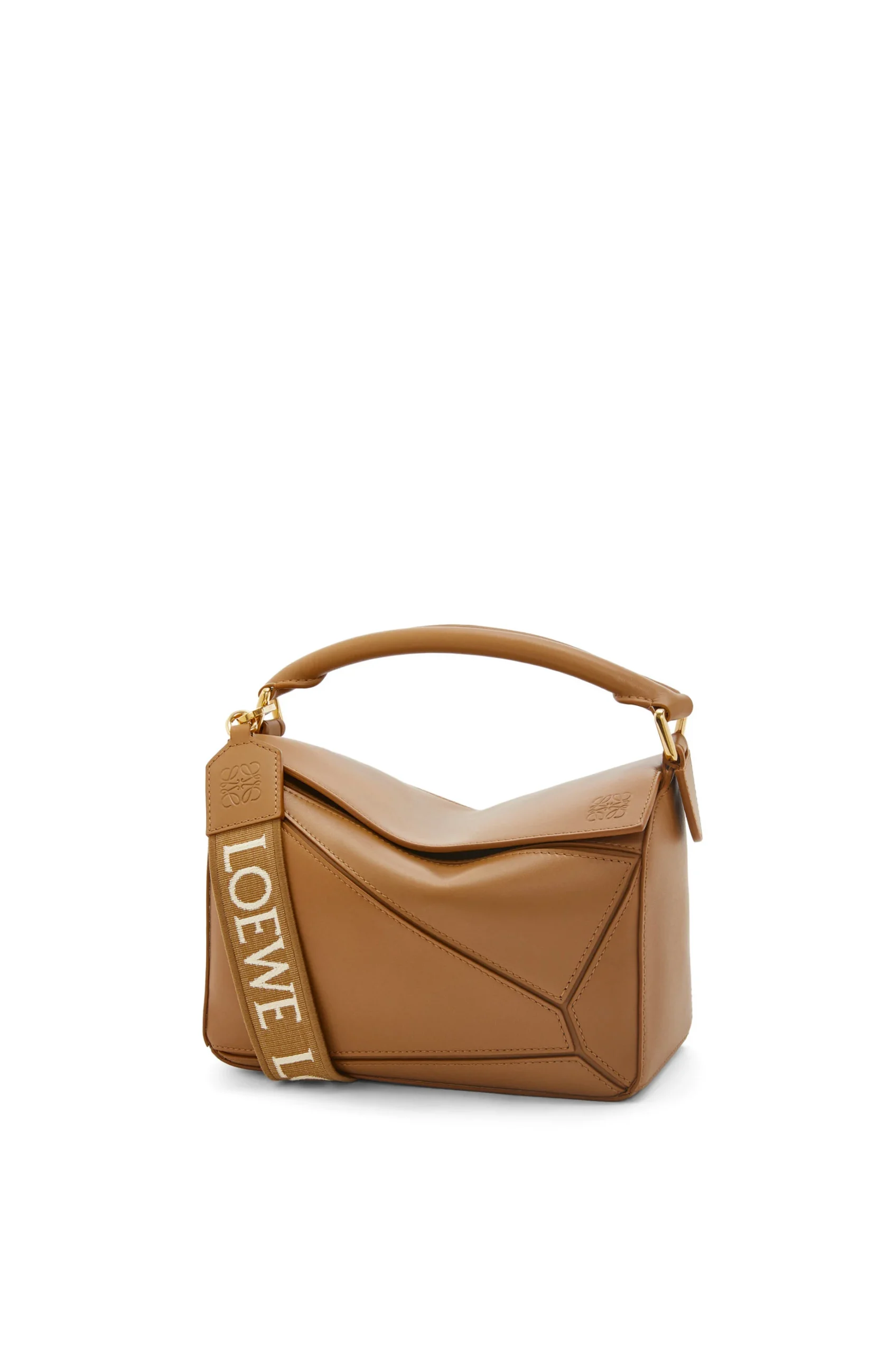
Loewe, established in 1846 in Madrid by a group of Spanish leather craftsmen, has long been revered for its mastery over leather. The “God Factory” isn’t a literal factory but a metaphorical one, representing the zenith of craftsmanship where every piece is crafted with a near-divine touch. This concept gained traction among the replica fashion community, particularly on platforms like Reddit’s Repladies, where “God Factory” refers to factories producing some of the highest quality replica bags, especially Loewe’s iconic designs like the Puzzle bag.
Craftsmanship Reimagined
Loewe’s “God Factory” ethos is rooted in:
- Exquisite Leather Work: From the iconic Puzzle bag to the more avant-garde pieces, Loewe’s leather goods are treated with a level of detail and care that elevates them to art. Each piece is a testament to the brand’s commitment to quality, where even the smallest stitch is executed with perfection.
- Innovation Meets Tradition: Under the creative direction of Jonathan Anderson since 2013, Loewe has married traditional Spanish craft with avant-garde design. This blend is what makes Loewe’s products feel both timeless and contemporary, embodying the “God Factory” spirit of innovation while respecting age-old techniques.
The Influence of the “God Factory” Concept
The “God Factory” idea extends beyond just the creation of physical products:
- Cultural Resonance: Loewe has positioned itself not just as a fashion house but as a cultural institution. Collaborations with artists, the promotion of craft through the Loewe Foundation Craft Prize, and installations that blur the lines between fashion and art all reflect this divine approach to creation.
- A Global Appeal: The “God Factory” concept resonates with consumers worldwide, not just for the exclusivity and quality but for the story each piece tells. It’s about owning a piece of art, a slice of history, and part of a legacy.
Challenges and Controversies
However, the term “God Factory” in fashion circles isn’t without its controversies:
- Replica Culture: While the “God Factory” moniker celebrates high-quality replicas, it also brings up issues of authenticity, intellectual property, and ethical consumption in luxury fashion. The replica market, while driven by passion for fashion, often operates in a gray area of legality and morality.
- Quality Control: Even in the world of authentic luxury, not every product can live up to the “God Factory” standard due to scalability, production variations, or changes in design direction. This can sometimes lead to consumer disappointment when expectations set by the “God Factory” mythos are not met.
Conclusion
Loewe’s association with the “God Factory” is a testament to its status as a beacon of luxury, innovation, and exquisite craftsmanship in the fashion world. It symbolizes a place where every product is not just manufactured but crafted with a reverence that borders on the divine. Whether you’re looking at an authentic Loewe piece or admiring the craftsmanship of its replicas, the “God Factory” ethos is a reminder of what fashion can aspire to be – an art form, a cultural narrative, and above all, a celebration of human creativity at its finest.