In the world of luxury fashion, few names resonate with the same level of craftsmanship and style as Gianvito Rossi. His journey in the shoe industry, combined with the enigmatic “God Factory” in the realm of designer replicas, paints a fascinating picture of how luxury and replication intersect in the modern fashion landscape.
Gianvito Rossi: The Maestro of Italian Footwear
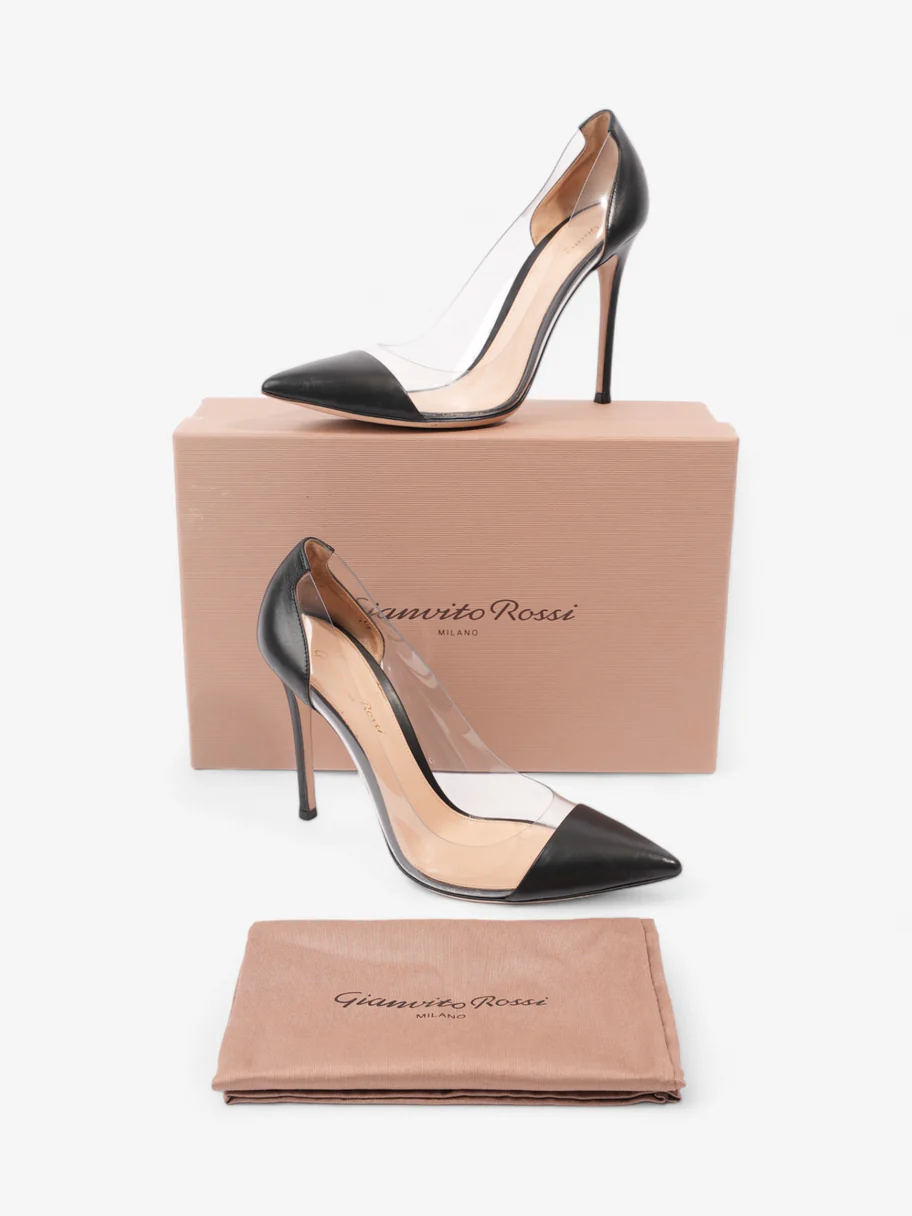
Gianvito Rossi, the son of the renowned Italian shoe designer Sergio Rossi, has carved his own niche in the luxury footwear market since founding his eponymous brand in 2006. His philosophy is deeply rooted in the “less is more” aesthetic, focusing on creating shoes that are not just eye-catching but also incredibly comfortable. His designs are celebrated for their clean lines, elegant silhouettes, and the perfect balance between modernity and timelessness.
Rossi’s shoes are made in Italy, specifically in San Mauro Pascoli, a region famed for its luxury shoe production. The emphasis is on quality; every pair is crafted with meticulous attention to detail, ensuring that each shoe not only looks good but also feels good to wear. His commitment to Italian craftsmanship is evident in the brand’s focus on sustainability and tradition, aiming for a blend of innovation and heritage.
The Enigma of the God Factory
On the other side of the fashion spectrum lies the “God Factory,” a term often whispered in the communities of luxury goods enthusiasts, particularly those who delve into the world of designer replicas. The God Factory isn’t a single entity but rather a colloquial name for top-tier replica manufacturers known for their high-quality imitations of luxury brands.
The God Factory’s reputation has been built on the back of producing replicas that are so close to the originals that they often fool even the most discerning eyes. However, this sector operates in a legal gray area, raising ethical questions about intellectual property rights and consumer deception. Discussions on platforms like Reddit reveal a community that is both fascinated and cautious about these replicas, with users sharing experiences, reviews, and advice on distinguishing genuine products from well-made fakes.
The Intersection of Luxury and Replication
The intersection of Gianvito Rossi’s work with the concept of the God Factory brings to light the broader conversation about authenticity, craftsmanship, and value in the fashion industry. Rossi’s shoes, which can command prices in the hundreds or thousands, represent the pinnacle of what luxury should be – an investment in quality and art. On the other hand, the God Factory’s replicas offer an accessible entry point to luxury aesthetics, albeit without the same level of craftsmanship or ethical standing.
This contrast raises important questions about the value we place on the narrative behind a product versus its physical quality. For some, owning a piece of Gianvito Rossi is about supporting artisanal work and the cultural heritage of Italian luxury. For others, the allure of a God Factory product lies in the democratization of high fashion, allowing more people to experience the design ethos of luxury brands, albeit at a moral and legal cost.
Conclusion
Gianvito Rossi embodies the essence of luxury through meticulous design and traditional craftsmanship, while the God Factory represents a shadow economy where luxury’s visual language is mimicked, often with impressive accuracy. Both are integral parts of the fashion narrative – one upholding the sanctity of originality and the other challenging the boundaries of accessibility and authenticity. As consumers, our choices reflect our values, whether it’s the investment in genuine craftsmanship or the allure of a well-made replica.
In this dance between luxury and replication, the story of God Factory Gianvito Rossi serves as a microcosm of the broader issues in fashion: authenticity, ethics, and the ever-evolving definition of luxury.