The world of fashion is a dynamic one, often blending tradition with modernity, heritage with innovation. Two brands that have successfully navigated this balancing act, though in very different contexts, are God Factory Burberry. While God Factory is an emerging brand focused on the fusion of art, technology, and design, Burberry represents an iconic legacy of British fashion craftsmanship, rooted in classic elegance and timeless style. Yet, despite their differences, both brands share a commitment to redefining what fashion can be in the contemporary world.
God Factory: Where Technology Meets Art
God Factory is a relatively new player in the fashion scene, but its impact is already being felt. Known for its bold approach to incorporating technology, God Factory emphasizes innovation through digital design, 3D printing, and sustainable materials. Their ethos is about creating fashion that’s not just wearable but also interactive and reflective of the digital age.
The brand’s use of technology isn’t just about functionality; it also taps into the aesthetic potential of new media. Whether it’s garments with embedded LED lights or dresses that shift in color depending on the environment, God Factory’s creations are examples of how fashion can evolve with technological advancements.
This fusion of technology and design brings to life fashion that resonates with a generation growing up in an increasingly digital world. God Factory pushes the boundaries of what fashion can represent, evolving it from a purely visual experience to an interactive one.
Burberry: Tradition and Innovation in Harmony
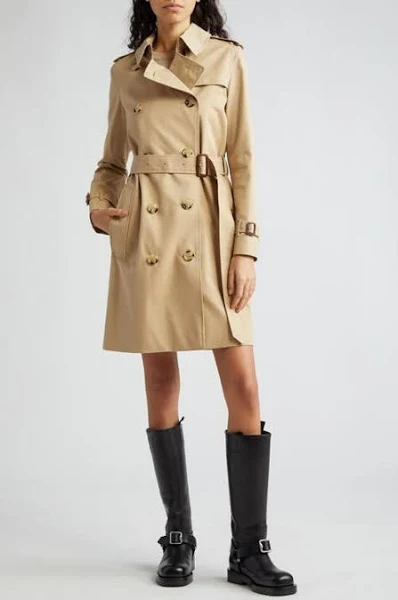
On the other end of the spectrum, Burberry is an established symbol of British luxury. Founded in 1856, Burberry is renowned for its trench coats, signature check patterns, and its ability to remain relevant in the face of ever-changing trends. However, what sets Burberry apart from many other heritage brands is its commitment to innovation while respecting its deep-rooted history.
Burberry was one of the first luxury brands to embrace digital technology, not only by launching one of the first digital fashion shows but also by embracing e-commerce early on. Under the leadership of former creative director Christopher Bailey and later Riccardo Tisci, Burberry has reinvented itself in ways that pay homage to its past while embracing the future. Whether it’s collaborating with tech companies like Apple for the Burberry x Apple Watch or leveraging augmented reality in their stores, Burberry proves that tradition and innovation need not be at odds but can coexist harmoniously.
Burberry’s success lies in its ability to innovate while maintaining a respect for its classic British roots. It doesn’t simply adapt to new technologies; it incorporates them in a way that enhances the brand’s heritage, creating a balance between past and future.
What Can God Factory and Burberry Teach Us?
Both God Factory Burberry show us that innovation in fashion doesn’t have to come at the expense of tradition, and vice versa. While God Factory challenges our understanding of fashion in the digital age with futuristic designs, Burberry offers a masterclass in how to stay relevant in a rapidly evolving industry while preserving the essence of what makes it unique.
The lesson for other brands is clear: Embrace change, but honor your roots. Whether you’re a startup or a centuries-old institution, the key to success is to stay true to your brand’s core values while being willing to experiment with new technologies, materials, and ideas.
Conclusion: The Future of Fashion
The intersection of technology and tradition is the future of fashion. As we move further into the digital age, the lines between the physical and digital worlds will continue to blur. For brands like God Factory Burberry, this presents exciting opportunities to redefine the fashion experience—one that is both deeply rooted in craftsmanship and forward-thinking in its embrace of technology.
God Factory may lead us into a new era of fashion where garments transcend their traditional form, while Burberry reminds us that luxury can still be timeless even in a world dominated by innovation. Together, they offer a glimpse into the exciting future of fashion—one where the past, present, and future coexist in a seamless blend of style, technology, and craftsmanship.