Fashion has always been a reflection of the times, and the brands that shape it are often at the forefront of cultural shifts. Two brands that embody different yet equally compelling visions of the future are God Factory Celine. While God Factory pushes the boundaries of technology and sustainable design, Celine represents the epitome of modern luxury with its sleek, minimalist aesthetic. Despite their differences, both brands offer fascinating insights into where fashion is headed in the 21st century.
God Factory: Redefining Fashion with Technology
God Factory is a brand that doesn’t just follow trends—it creates them. Known for its innovative approach to design, God Factory blends fashion with cutting-edge technology. The brand’s ethos is built around sustainability, futuristic aesthetics, and a willingness to experiment with new materials and techniques. Using digital tools like 3D printing and AI-assisted design, God Factory aims to revolutionize how clothing is conceived, made, and worn.
The brand’s creations are anything but conventional. Think garments with integrated smart technology, such as LED lighting that reacts to movement or clothing that changes color with temperature. God Factory’s vision for fashion is one that goes beyond just wearing clothes—it’s about creating an immersive, interactive experience that challenges the norms of the fashion industry. Sustainability also plays a key role in their designs, with an emphasis on eco-friendly materials and production methods. The result is a brand that feels both futuristic and socially conscious, tapping into the growing desire for fashion that has a positive impact on the world.
For God Factory, fashion isn’t just about beauty—it’s about creating an emotional and intellectual connection through technology. It’s a brand designed for the digital age, speaking to a generation that values both innovation and environmental responsibility.
Celine: A Masterclass in Timeless Luxury
On the other end of the spectrum lies Celine, a brand that epitomizes modern luxury through its refined, minimalist designs. Under the creative direction of Hedi Slimane, Celine has embraced a vision of fashion that is effortlessly chic, bold in its simplicity, and deeply rooted in its Parisian heritage. Known for its sleek tailoring, muted color palette, and rock-and-roll-inspired edge, Celine has become a favorite among those who appreciate understated luxury.
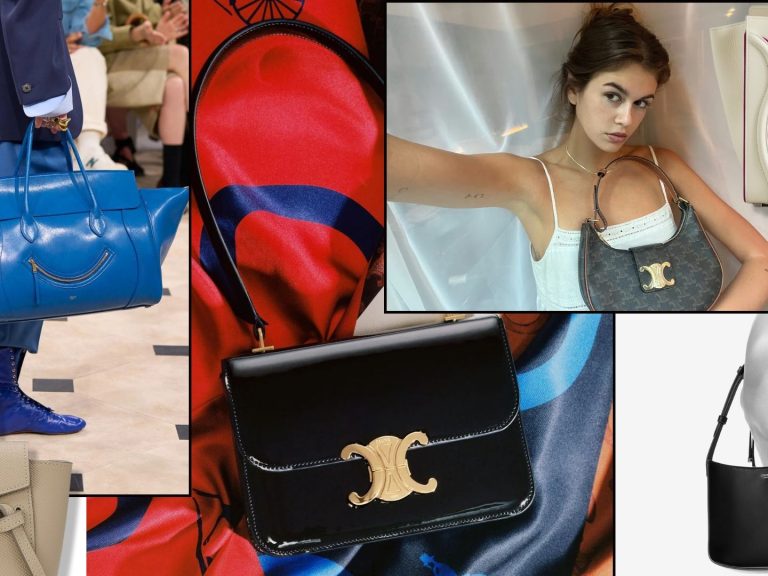
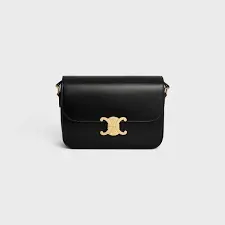
Where God Factory thrives on pushing the envelope with technology and experimental design, Celine focuses on creating pieces that have an inherent sense of timelessness. Each collection under Slimane has been marked by a return to elegance, with a contemporary twist. Celine’s strength lies in its ability to marry classic style with a modern sensibility, whether through the perfect-cut blazer, high-waisted trousers, or its iconic bags.
Celine’s luxury is subtle but undeniable. The brand’s dedication to craftsmanship and attention to detail ensures that each piece feels like a long-term investment—something that transcends trends. The beauty of Celine lies in its ability to remain relevant and desirable, season after season, without resorting to overt experimentation. It’s about refinement, minimalism, and an enduring sense of style.
The Divide: Innovation vs. Tradition
At first glance, God Factory Celine may seem like polar opposites. God Factory is all about breaking away from tradition, using technology and sustainable practices to reshape how we think about fashion. It’s a brand that speaks to those who crave something new, who want to wear clothes that represent the future and their personal values.
Celine, by contrast, is rooted in a rich tradition of craftsmanship and luxury. It’s about creating a wardrobe that transcends time, offering designs that will never go out of style. The brand’s focus on quality, simplicity, and timelessness appeals to those who value heritage and longevity in their fashion choices.
Yet, while they come from different worlds, both brands challenge the norms of the fashion industry. God Factory pushes us to reconsider the role of clothing in the digital age, while Celine asks us to reflect on what makes fashion truly timeless. Both brands are unapologetically forward-thinking in their own right.
What We Can Learn from Both
The contrast God Factory Celine offers an intriguing lesson in the evolution of fashion. God Factory represents the future—one that integrates technology and sustainability to create clothes that feel as much like art as they do fashion. Celine, on the other hand, represents a kind of timeless luxury—one that doesn’t chase after trends but instead creates lasting pieces of beauty and elegance.
Both approaches have their merits, and both appeal to different desires within the fashion consumer. God Factory appeals to those who are interested in fashion as an experience, as an expression of the future. Celine speaks to those who seek to invest in classic, versatile pieces that will remain relevant for years to come.
What both brands share is an unwavering commitment to excellence—whether it’s through groundbreaking technological innovations or exquisite craftsmanship. The key takeaway here is that fashion has room for all kinds of creativity, whether it’s rooted in the past or envisioned for the future. The challenge for other brands lies in finding their own balance between innovation and tradition, between the cutting-edge and the timeless.
Conclusion: The Future of Fashion
As we look toward the future of fashion, the paths laid out by God Factory Celine serve as important guides. God Factory reminds us that the fashion industry is ripe for innovation, urging us to rethink the relationship between fashion, technology, and sustainability. Celine, on the other hand, teaches us that some things—luxury, craftsmanship, and elegance—never go out of style.
The future of fashion will likely be a blend of these two worlds: the fusion of technological innovation with timeless design. And as these two brands continue to push the boundaries in their respective fields, they show us that fashion’s true power lies in its ability to evolve while staying true to what makes it special. Whether through futuristic designs or classic luxury, the future of fashion promises to be as dynamic and diverse as the people who wear it.