When we think about “God Factory Chanel,” the mind may be immediately drawn into a blend of disparate ideas—divinity, craftsmanship, and high-end fashion. The words “God” and “Factory” invoke powerful, almost paradoxical imagery: the divine creation versus industrialization, the sacred versus the mundane. Meanwhile, “Chanel,” one of the world’s most iconic luxury brands, represents elegance, sophistication, and timeless style. But when placed together, these concepts spark interesting reflections about the intersection of creativity, materialism, and the divine in modern culture. Let’s explore how these elements connect and what they reveal about our contemporary relationship with art, creation, and luxury.
1. God and Creation: A Parallel in the World of Fashion
In many cultures and religions, God is considered the ultimate creator—responsible for the design and order of the universe. Creation is often associated with divinity, embodying an act of profound intention and skill. This idea of creation can also be extended metaphorically to human endeavors, especially in the world of craftsmanship. The process of designing and crafting something from nothing is a form of creation in itself, where vision, talent, and effort converge to bring something into existence.
In the context of Chanel, this concept of creation is particularly relevant. Founded by Coco Chanel in the early 20th century, the brand embodies a creative philosophy that transformed the fashion world. From the iconic Chanel No. 5 perfume to the legendary little black dress, Chanel redefined style and beauty. This transformation was not simply the result of trend-following, but a deliberate act of creation that reshaped cultural norms and empowered women to embrace a new form of elegance.
If we consider Chanel as a “God Factory,” we see it as a place of artistic and creative genesis. Just as a divine creator shapes the world, Chanel’s ateliers (workshops) shape the fashion landscape—producing works that not only adorn but also elevate the human spirit. It’s a process that mirrors divine creation, bringing beauty, meaning, and a sense of belonging to its consumers.
2. The Factory: Industrialization Meets Artistry
The word “factory” often conjures images of mass production, machinery, and efficiency. In an industrial sense, factories are associated with the assembly line and the rapid production of goods. However, when paired with “God” and “Chanel,” the term takes on a new dimension. The factory becomes more than a place of mass manufacturing—it transforms into a sacred space where art, skill, and vision are brought to life.
Chanel has always been committed to both innovation and traditional craftsmanship. While many high-end brands rely on mass production, Chanel has remained dedicated to maintaining artisanal craftsmanship, often in small, specialized ateliers. Every Chanel piece—be it a couture dress, a handbag, or a pair of shoes—is meticulously crafted with precision and care, often by hand. This approach contrasts sharply with the impersonal, automated processes of modern factories, yet it embodies the spirit of a “God Factory.”
In this sense, the factory, in the world of Chanel, is not simply a cold, mechanical place. It becomes a workshop of creation, where each piece is a work of art imbued with the designer’s vision and the artisan’s skill. Here, production and artistry blend to create something divine in its beauty, transforming what would otherwise be a factory into a temple of fashion.
3. Chanel as a Cultural Icon: The Divine Status of Luxury
Chanel’s cultural impact cannot be overstated. The brand has become more than just a name; it’s a symbol of luxury, refinement, and status. To wear Chanel is not merely to don a garment—it’s to participate in an exclusive, almost transcendent experience. This is where the idea of “God” and “Chanel” merge most powerfully: Chanel is, in many ways, a godlike figure in the fashion industry. It represents an ideal that many aspire to, a manifestation of perfection that seems almost unattainable yet irresistible.
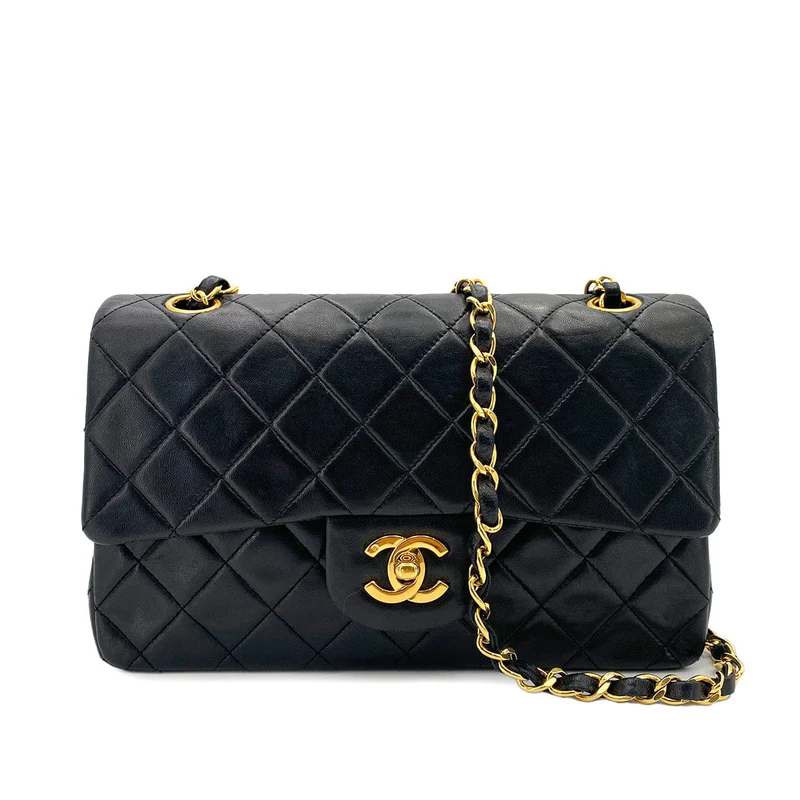
For those who acquire a piece of Chanel, whether a classic tweed jacket or a quilted handbag, the experience often transcends mere consumerism. Chanel becomes a gateway to a higher social standing, a form of cultural capital that communicates sophistication and taste. In this sense, Chanel occupies a near-religious status in the world of luxury fashion, where each piece feels like a rare artifact from a divine creator—Coco Chanel herself.
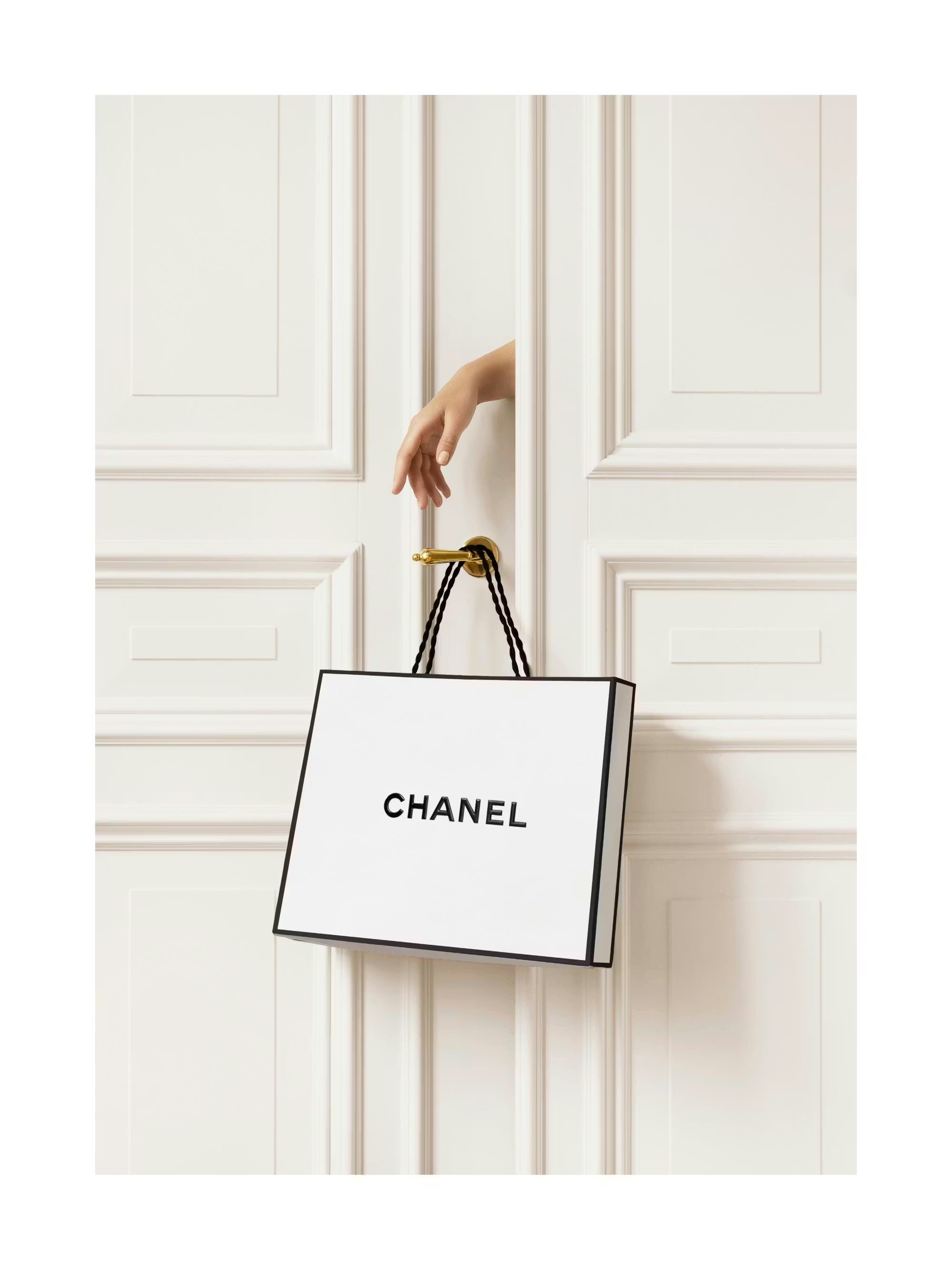
This sense of divinity is reinforced through Chanel’s iconic logo and brand imagery. The interlocking C’s, the black-and-white color scheme, and the elegance of the brand’s aesthetic all contribute to the idea of Chanel as a higher cultural and artistic power. To own a piece of Chanel is akin to possessing a tangible link to a higher form of beauty and exclusivity, making the brand’s factory and its products feel like something created by a “higher” force.
4. The Intersection of Divine and Material Worlds
In today’s consumer-driven society, the line between the divine and the material often blurs. We may no longer look to the heavens for guidance, but instead, seek meaning in the things we own and the brands we associate with. Chanel’s ability to mix craftsmanship with luxury gives it a unique status in the marketplace—it’s not just a product, but a cultural and spiritual experience for many.
The idea of a “God Factory” draws attention to the complex relationship between spirituality and materialism. While Chanel represents the pinnacle of luxury and material success, it also occupies a space where art and beauty reach something beyond the tangible. Each Chanel item serves as a reminder of what is possible when artistry, skill, and vision are combined. Chanel’s ability to create not just products but lasting icons can be seen as an act of divine inspiration, turning everyday materials into objects that carry immense cultural weight.
5. A Timeless Legacy: Chanel’s Everlasting Influence
Coco Chanel’s legacy is not just about creating fashion items, but about creating a world—one where women are empowered to embrace their independence, elegance, and strength. Her influence is not just seen in the clothes and accessories she designed but also in the way she reshaped perceptions of femininity and beauty. Chanel’s world is one of refined simplicity, where less is more, and where quality and craftsmanship always trump quantity.
The “God Factory Chanel” also speaks to this enduring legacy. Chanel continues to thrive in a world where trends come and go, demonstrating the brand’s ability to create lasting, timeless pieces. The brand’s ability to combine innovation with tradition reflects a divine balance, where the past, present, and future coexist harmoniously.
Conclusion: The Divine Artistry of Chanel
The phrase “God Factory Chanel” encapsulates much more than just a combination of words—it represents the convergence of creativity, craftsmanship, and luxury. Chanel, as a “God Factory,” is where vision, artistry, and perfection come together to create something far beyond the ordinary. It reminds us of the power of craftsmanship and the transcendence of art. In a world driven by mass production and fast fashion, Chanel stands as a symbol of the divine in creation—a testament to what is possible when talent, vision, and dedication combine to produce not just a product, but a cultural phenomenon.